
How to Choose the Perfect Neighborhood for Your Next Home

A home can be renovated. A commute, a school boundary, or a noisy street corner is much harder to change. That is why choosing a neighborhood deserves the same care as reviewing the inspection report or comparing mortgage rates.
The right fit usually comes from a mix of facts and feel. Crime data, commute times, school information, transit access, local amenities, and future development plans all matter. So do quieter details, such as how a street feels at 7 p.m. or whether neighbors seem to use the parks, sidewalks, and local shops.

Start with safety and reliable public data
Safety is often the first question, and it should be researched with care. Online maps can be useful, but they rarely tell the whole story. Crime reports may reflect policing patterns, reporting rates, or a single incident that does not represent the entire area.
Use several sources instead of relying on one map:
Local police or sheriff crime dashboards
Many departments publish incident maps or monthly reports.
FBI Crime Data Explorer
This can provide broader crime data, though local reporting practices vary.
City or county open data portals
Larger cities often publish calls for service, traffic crashes, code violations, and other public records.
Local news archives
Look for patterns, not just isolated headlines.
When reviewing crime data, compare similar areas and look at trends over time. A neighborhood with improving safety, active neighborhood groups, and steady investment may feel very different from a place with the same numbers but fewer community resources.
Also visit at different times. A block can feel calm on a Sunday morning and very different during weekday rush hour or late at night.
Measure daily convenience, not just distance
A neighborhood that looks close on a map may still be frustrating if the roads are congested, school drop-off is difficult, or errands require several long trips. Test the routines that will shape daily life.
Check travel times to:
Work or common commuting points
Schools and childcare
Grocery stores and pharmacies
Medical care
Parks, trails, gyms, or recreation centers
Restaurants, coffee shops, and services used often
Use navigation apps at the actual time of day the trip would happen. A 15-minute drive at noon may become 35 minutes at 8 a.m.
Schools deserve careful research, too. Public school boundaries can change, and online ratings do not capture every strength of a school. Review district websites, state education reports, school board materials, and program offerings. If schools are a major factor, confirm boundaries directly with the district before making an offer.

Look for a community feel that matches real life
“Community vibe” can sound vague, but it becomes clearer when observing how people use the area. Look for signs of daily life, care, and connection.
Ask practical questions:
Are sidewalks, parks, and public spaces used?
Do homes, streets, and shared areas look maintained?
Are there local events, farmers markets, libraries, or recreation programs?
Is the area quiet, active, family-oriented, arts-focused, student-heavy, or mixed?
Does the pace fit the household’s routines?
Avoid making assumptions based on who lives there. That can lead to unfair conclusions and may cross legal and ethical lines in housing decisions. Focus on observable factors such as noise, traffic, property upkeep, amenities, public spaces, and services.
Talking to locals can help, if done respectfully. Ask open, neutral questions such as:
“What do you like most about living around here?”
“How is traffic during the week?”
“Are there any local issues buyers should understand?”
“Do people tend to walk, bike, or drive for errands?”
A short conversation with a shop owner, dog walker, or neighbor can reveal useful context that property listings leave out.
Check transportation options and future development
Transportation affects both lifestyle and resale appeal. Even if driving is the main option now, it helps to know whether alternatives exist.
Review:
Public transit routes and schedules
Sidewalks and crosswalks
Bike lanes or trail connections
Traffic patterns during rush hour
Parking rules and street availability
Access to highways, airports, or regional job centers
For public transit, do more than confirm that a bus or train stop exists. Check frequency, weekend service, transfer times, and reliability. A nearby stop with limited service may not be useful for everyday commuting.
Future development plans also matter. A quiet area may become busier if a large apartment project, road expansion, retail center, or new school is planned nearby. That is not always bad. New development can bring services, infrastructure, and demand. It can also bring construction noise, traffic, or changes in the area’s character.
Useful places to research include:
City planning and zoning websites
Planning commission meeting agendas
County property records
Transportation department project pages
Local neighborhood association updates

Visit like a resident before making a decision
Photos and listing descriptions show the property. A visit shows how the area works.
Try this simple field test:
Drive or walk the main routes
Test the commute, school route, and grocery run.
Visit at least three times
Go on a weekday morning, weekday evening, and weekend.
Listen and observe
Notice traffic noise, parking pressure, lighting, pets, foot traffic, and general upkeep.
Stop locally
Visit a café, library, park, or shop to get a better sense of the area.
Compare notes
Rate each neighborhood on safety, convenience, housing value, community feel, transportation, and future changes.
No neighborhood will score perfectly. The goal is to know the trade-offs before buying, not after moving in.
If narrowing the search feels overwhelming, working with a local professional can help organize the facts and spot questions that are easy to miss. You can contact The Leach Realty Group for guidance on comparing neighborhoods and finding a home that fits your priorities.
FAQ
How many times should I visit a neighborhood before buying?
Visit at least three times, including one weekday morning, one weekday evening, and one weekend visit. Different times reveal traffic, noise, parking, and activity levels.
What is the best source for neighborhood crime data?
Start with local police department reports, city open data portals, and the FBI Crime Data Explorer. Compare multiple sources because crime data can vary by reporting method.
Should school ratings decide where I buy?
School ratings can be one factor, but they should not be the only one. Review district information, programs, boundaries, and state education reports. Confirm attendance zones directly with the district.
How can I find out about future development nearby?
Check city planning websites, zoning maps, planning commission agendas, and transportation project pages. These sources often show proposed roadwork, new housing, commercial projects, and public improvements.
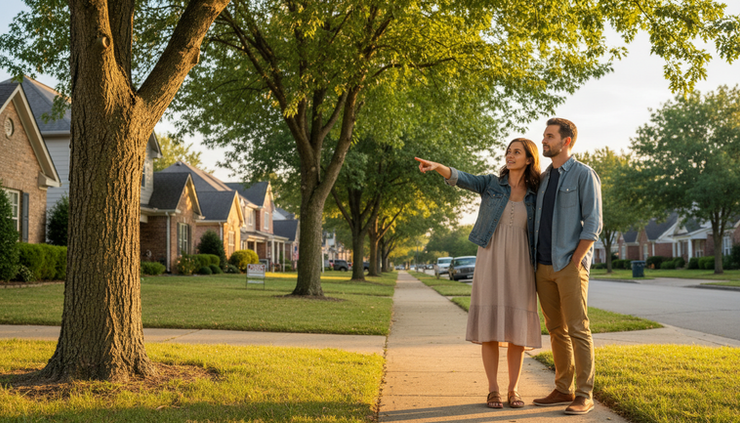
The best neighborhood choice comes from combining data with firsthand experience. Research the facts, walk the streets, ask thoughtful questions, and picture the daily routine. A confident decision is rarely based on one feature. It comes from knowing how the location will support everyday life for years to come.


Comments