
The Rise of Mixed-Use Communities
- Myrietta Leach
- Jun 10
- 2 min read

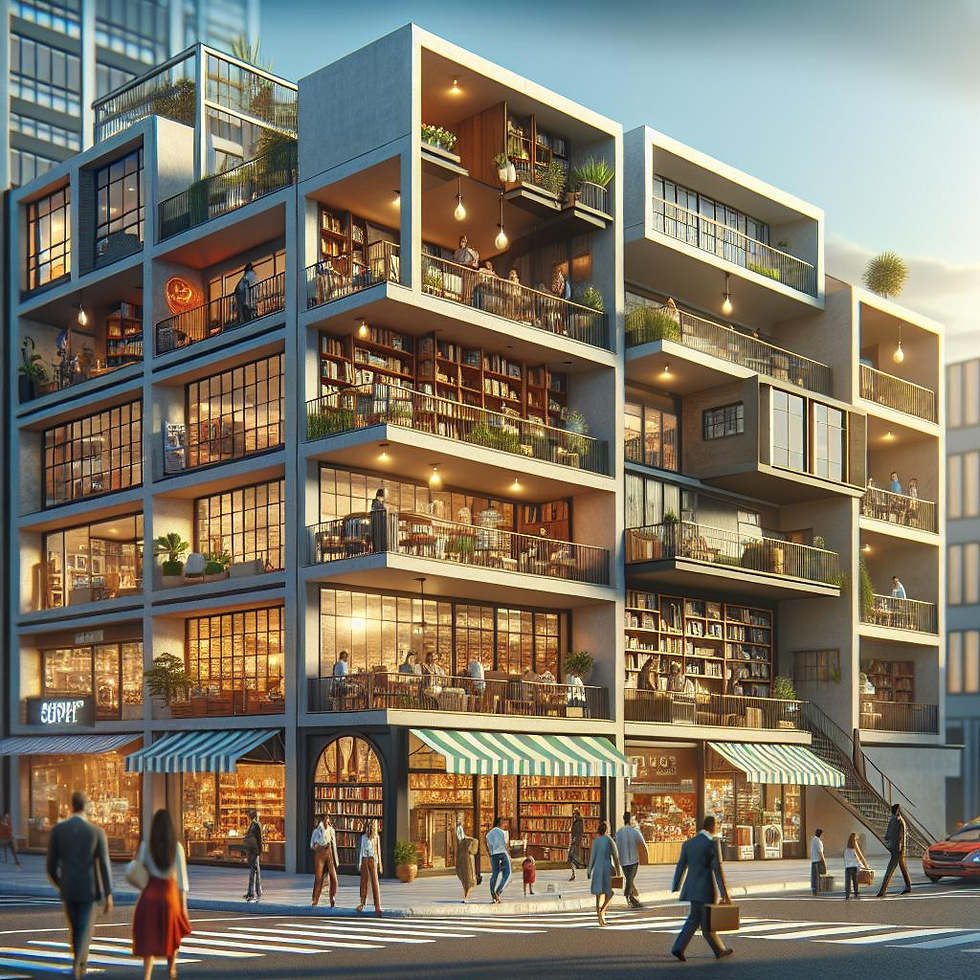
Mixed-use communities are becoming increasingly popular as developers, city planners, and homebuyers seek more convenient, connected, and sustainable ways of living. By combining residential, commercial, recreational, and office spaces within a single neighborhood, mixed-use developments create vibrant environments where people can live, work, shop, and socialize close to home.
What Is a Mixed-Use Community?
A mixed-use community integrates multiple types of land uses into one development. Instead of separating homes, offices, retail stores, restaurants, and entertainment venues into different areas, these communities bring them together to create a more walkable and accessible environment.
The Appeal of Convenience
One of the biggest advantages of mixed-use communities is convenience. Residents can often walk or bike to grocery stores, restaurants, fitness centers, parks, and workplaces, reducing the need for lengthy commutes and frequent car trips.
Walkability and Active Lifestyles
Walkable neighborhoods encourage physical activity and promote healthier lifestyles. Sidewalks, trails, public spaces, and nearby amenities make it easier for residents to stay active while enjoying their surroundings.
Reduced Transportation Costs
Living closer to daily necessities can help residents save money on fuel, vehicle maintenance, parking, and public transportation. Shorter commutes can also save valuable time and improve overall quality of life.
Stronger Sense of Community
Mixed-use developments often include gathering spaces such as parks, plazas, cafes, and community centers that encourage social interaction. These shared spaces help foster stronger relationships among residents and create a greater sense of belonging.
Increased Demand Among Homebuyers
Many homebuyers, particularly younger professionals and retirees, are seeking neighborhoods that offer convenience, accessibility, and lifestyle amenities. Mixed-use communities align with these preferences by providing easy access to essential services and entertainment options.
Support for Local Businesses
By placing residents and businesses in close proximity, mixed-use developments can create a built-in customer base for local shops, restaurants, and service providers. This can contribute to economic growth and neighborhood vitality.
Sustainability Benefits
Mixed-use communities often support sustainability goals by reducing vehicle dependency, encouraging alternative transportation methods, and making more efficient use of land and infrastructure. Many developments also incorporate green spaces and environmentally friendly design features.
Flexible Living and Working Environments
The growth of remote and hybrid work has increased interest in communities that offer flexible living arrangements. Mixed-use developments often provide coworking spaces, office facilities, and convenient access to services that support modern work lifestyles.
Impact on Property Values
Properties located within well-designed mixed-use communities can benefit from strong demand due to their convenience and lifestyle advantages. Access to amenities, walkability, and community features often enhance long-term market appeal.
The Future of Mixed-Use Development
As cities continue to grow and housing preferences evolve, mixed-use communities are expected to play an increasingly important role in urban planning. Future developments will likely place greater emphasis on sustainability, smart technology, public transportation access, and community engagement.
Conclusion
The rise of mixed-use communities reflects a growing desire for convenience, connectivity, and quality of life. By blending residential, commercial, recreational, and workspaces into a single environment, these developments create vibrant neighborhoods that support modern lifestyles. As demand for walkable and community-focused living continues to grow, mixed-use communities are poised to remain a significant trend in the future of real estate and urban development.


Comments