
What Makes a House Feel Like Home
- Myrietta Leach
- May 20
- 2 min read

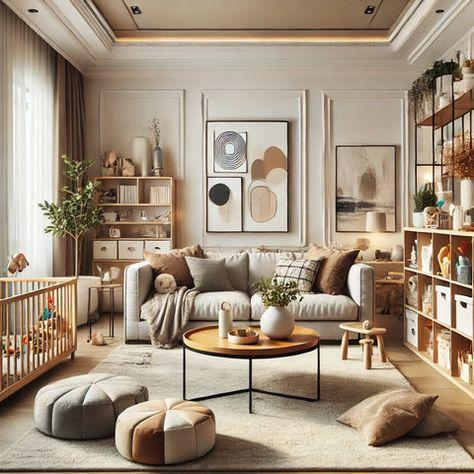
A house starts to feel like home when it provides comfort, security, connection, and a sense of belonging. While design and features matter, the feeling of “home” is often created through personal experiences, routines, and emotional warmth.
Comfort and Relaxation
A home should feel like a place where people can truly relax and be themselves. Comfortable furniture, soft lighting, cozy textures, and peaceful spaces all contribute to a welcoming atmosphere.
Simple touches such as blankets, pillows, and warm colors can make a space feel more inviting.
Personal Connection
Homes feel meaningful when they reflect the people living there. Personal items help create emotional connection, including:
Family photos
Favorite books
Artwork
Travel souvenirs
Meaningful décor
These details make a space feel unique and lived in.
Sense of Safety and Security
Feeling safe is one of the most important parts of feeling at home. A secure and peaceful environment allows people to feel comfortable, rest well, and fully enjoy their surroundings.
Privacy, reliable locks, outdoor lighting, and quiet surroundings can all contribute to this feeling.
Spaces for Everyday Living
A home becomes special when it supports daily routines and meaningful moments. Functional spaces for cooking, eating, relaxing, working, and spending time together help create a stronger emotional bond with the home.
Warmth From Relationships
People often associate “home” with the relationships and memories built inside it. Shared meals, celebrations, conversations, and quiet moments with loved ones create emotional warmth that goes beyond the physical structure.
Familiarity and Routine
Daily habits and routines help transform a house into a comfortable and familiar environment. Over time, simple routines such as morning coffee, family dinners, or relaxing evenings help create attachment and comfort.
Natural Light and Comforting Design
Bright spaces, natural light, calming colors, and comfortable layouts often make homes feel more positive and uplifting. Many people are drawn to spaces that feel open, peaceful, and easy to live in.
A Place to Recharge
Home is often the place where people recover from stress, rest, and reconnect with themselves. Quiet corners, relaxing bedrooms, and comfortable living areas can help create a sense of calm and balance.
Memories and Experiences
Over time, memories give a home emotional value. Holidays, milestones, laughter, and everyday experiences all contribute to the feeling that a home is more than just a building.
A house feels like home when it offers comfort, security, familiarity, and emotional connection—a place where people feel accepted, relaxed, and truly themselves.


Comments